

The Gut Health Habits Gastroenterologists Actually Recommend to Their Own Patients
Last update : 13 Aug 2026
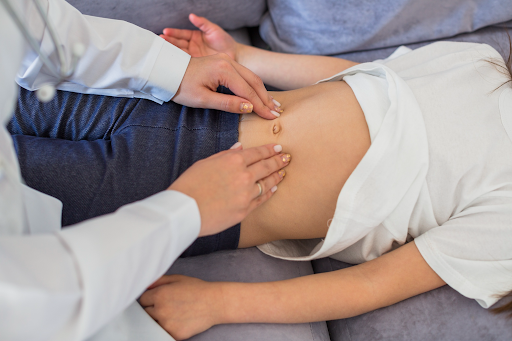
Gut health habits such as strategic fiber consumption, reducing bathroom screen times, using evidence-based probiotics instead of commercial probiotics, managing chronobiology and gut-brain axis, and monitored and controlled use of over-the-counter medications are recommended by the gastroenterologists to their patients as they are effective and improve the overall gut health.
Key Takeaways
- To optimize your microbiome and protect long-term digestive health, swap unverified social media gut cleanses for evidence-based probiotics, and follow doctor-recommended lifestyle habits designed by gastroenterologists.
- Minimizing bathroom screen time, escalating dietary fiber strategically, and maintaining structured overnight fasting windows directly coordinate your gut-brain axis to maximize natural intestinal motility.
- Recognizing critical digestive red flags is important to understand when you should seek professional help from a private gastroenterologist.
To lead a healthy life, focusing on gut health habits is important because the digestive system is the key regulator of many functions, including nutrient absorption, mood, and immunity.
What Good Gut Health Habits Do Gastroenterologists Recommend?
While there is a surge of gut health advice on social media platforms, where people who are not from a certified medical background give you advice about your gut health, following the authentic advice from a certified gastroenterologist is always preferable.
Strategic Fiber Escalation
Foods rich in fiber are considered the best foods for gut health. Strategic fiber escalation refers to gradually increasing the level of fiber in your diet so that your digestive system can adapt to the changes smoothly.
Why it is recommended:
- If you suddenly consume a lot of fiber, it can overwhelm your digestive system because the existing microbiomes in your system cannot process it quickly, which can lead to painful bloating.
- It requires time for your intestinal bacteria to process complex carbohydrates. Slow and strategic consumption ensures that it won’t trigger any bacterial imbalances.
How to do it:
- Instead of doubling your fiber intake overnight, add a little amount of fiber to your daily total each week, such as adding half a cup of black beans or a cup of raspberries to a single meal.
- You cannot alter your food habits all at once; rather, try one at a time, like adding chia seed to oatmeal, as both are rich in fiber and a comfortable option for breakfast.
- Fiber requires hydration so that it can safely pass through the digestive tract. So, tracking your daily water intake is a part of the strategy.
Eliminating the “Bathroom Screen Time” Habit
If you have the habit of doomscrolling while sitting in the bathroom, in the long run, it can affect your health in a negative manner.
Why it is essential:
- Hydrostatic pressure can be increased if you sit on an open toilet seat for a long time, causing your pelvic floor and rectal veins to swell and lead to hemorrhoidal disease.
- Prolonged sitting on an open toilet seat while being distracted by the phone screen can cause pelvic floor dyssynergia. In this condition, your pelvic muscles get tightened while they should be relaxed.
- As your body relies heavily on neurological signals to empty your bowel, sitting on the toilet seat with a phone can disrupt those signals and your normal digestive rhythm.
How to do it:
- Don’t take your smartphone with you to the bathroom.
- Try to set a mental timer and sit on the seat for 5 minutes, and if bowel movement does not happen, leave the toilet and only return when you again feel the urge.
- To reduce the bathroom time, place a small footstool under your feet, which helps you straighten and empty the rectal canal quickly.
Evidence-Based Probiotics vs. Marketing Hype
Probiotics are a type of gut health supplement known to improve your gut microbiome, but instead of falling for marketing hype, choose evidence-based probiotics for a better result.
Why it is essential:
- Beneficial bacteria reduce harmful microbes that cause diseases.
- It strengthens the intestinal mucosal barrier so that harmful toxins and undigested particles cannot breach your bloodstream.
How to choose probiotics:
- Instead of buying a generic probiotic, choose one that is recommended by a specialist and scientifically proven to treat issues like bloating, abdominal pain, and gas.
Managing the Gut-Brain Axis
The gut-brain axis refers to aligning your daily habits, like diet, sleeping schedule, and so on, with your internal biological clocks and plays a key role in how to improve gut health naturally.
Why it is essential:
- An internal housekeeping eave named migrating motor complex (MMC) manages the gut by sweeping away undigested foods and excess bacteria. Disruption in your daily routine can affect this process.
- The gut and the brain communicate continuously via the vagus nerve. If the gut-brain axis is not maintained properly, the brain can affect gastrointestinal motility by reducing protective stomach acid and enzyme production.
How to do it:
- To maintain the gut-brain axis and chronobiology, you can implement and maintain a strict 12-hour overnight fasting window.
- Try to eat your breakfast, lunch, and dinner at the same time every day, even on weekends.
Monitored Use of OTC Medications
Gastroenterologists advise taking the over-the-counter medications mindfully.
Why it is recommended:
- Unmonitored usage of non-steroidal anti-inflammatory drugs can degrade the mucosal barrier over time. This barrier protects the inner wall from acidic juice, and its degradation could lead to a painful ulcer.
- If you use over-the-counter laxatives for a prolonged time period, it forces your colon to contract, which can lead to chronic constipation.
How to do it:
- For headaches, choose gut-safe pain relievers instead of NSAIDs.
- Always consult a physician before taking these medicines and ask for the lowest effective dosage.
When to Seek a Private Gastroenterologist’s Advice?
Apart from following the health advice and recommendations from your gastroenterologist, you might need to seek direct help if you are facing the following issues:
- Visible rectal bleeding, persistent dark stools, unexpected weight loss, chronic diarrhea, and so on are types of red flags that need immediate professional medical help.
- If you have a family history of colorectal cancer, polyps, or inflammatory bowel diseases, after a certain age, you should seek advice from a gastroenterologist to rule out the possibility of cancer. The doctor may ask you to do a gastroscopy diagnostic test or a colonoscopy to evaluate the condition of your gut and colon health.
- In Canada, visiting a specialist in the public healthcare system can take a long time because of the referral process. If you are in a hurry, book an appointment at a private clinic, as it offers expertise with the latest medical and technological advancements, quick and flexible scheduling, and a personalized care plan.
Instead of following the over-hyped and confusing mass media-produced gut health tips, following the true gastroenterologist’s advice, such as eliminating bathroom screening time, strategically consuming fiber, controlling the use of OTC medicines, and so on, can improve your gut health in a significant way.
Planning To Visit a Private Gastroenterologist?
If you are planning to visit a private gastroenterologist, book an appointment at ScopeMD to ensure the optimal result. For any further inquiry, you can call us at 514 533 0470.
Frequently Asked Questions (FAQs)
1: How can I improve my gut health naturally without buying supplements?
A: You can improve your gut health naturally by eating a wide variety of plant-based foods to diversify your microbiome, prioritizing prebiotic-rich foods like leeks, asparagus, and bananas, and practicing stress-reduction techniques to support the gut-brain axis.
2: Are daily probiotic supplements necessary for a healthy gut?
A: No, daily probiotic supplements are not necessary for a generally healthy individual.
3:How does stress affect my digestion and gut health?
A: Stress alters digestion by shifting the body into a sympathetic (fight-or-flight) state, which diverts blood flow away from the digestive tract. This shifts your gut motility, either slowing stomach emptying (causing nausea or bloating) or triggering hyper-motility in the colon (resulting in sudden cramping and diarrhea).
4: What foods should I cut out to reduce bloating and gas?
A: To reduce bloating, gastroenterologists recommend temporarily limiting ultra-processed foods, carbonated beverages, and artificial sweeteners.