

Symptoms That Indicate You May Need a Colonoscopy or Gastroscopy
Last update : 06 Mar 2026
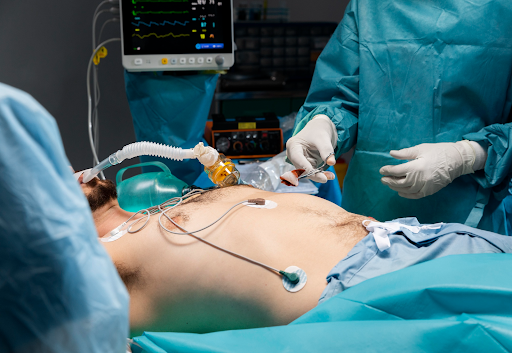
Colonoscopy and Gastroscopy are two efficient procedures that help in recognising issues in the digestive system. However, the choice between the two depends on your symptoms. So, it is essential to recognise the symptoms before proceeding with any of these procedures.
The digestive system has a big role to play in maintaining one’s health. This is why any issue in the system can end up causing serious complications in one’s body. So, it is essential to recognise them through correct diagnosis.
Well, recognising the issues in the digestive system involves the use of two main procedures, Colonoscopy and Gastroscopy. These procedures are designed to help with diagnosis and prevention. However, the choice between the two depends on the digestive endoscopy symptoms that one is experiencing.
In this guide, we will help you understand which symptoms indicate you may need a Colonoscopy or Gastroscopy. This will help you in choosing the right procedure for an accurate diagnosis.
Understanding Colonoscopy vs Gastroscopy
Colonoscopy and Gastroscopy are both diagnostic endoscopic procedures. Both of these procedures use cameras to examine the digestive tract. However, their purpose is quite different.
What a Colonoscopy Involves
A Colonoscopy takes around 30 to 45 minutes and involves moderate to deep sedation. The process focuses on examining rectal bleeding, chronic constipation or diarrhea, or changes in bowel habits. The process is crucial for cancer screening, often for those at age 50 and above.
What a Gastroscopy Involves
A Gastroscopy or an upper endoscopy takes around 10 to 20 minutes and uses mild sedation or a throat numbing spray. The procedure aims at investigating issues like difficulty swallowing, acid reflux, chronic nausea, or stomach pain.
Doctors decide between a Colonoscopy and a Gastroscopy based on the location of the digestive endoscopy symptoms. While Gastroscopy is chosen for issues like persistent heartburn, swallowing difficulty, and stomach pain, colonoscopy is used for rectal bleeding, a change in bowel habits, or even colorectal cancer screening.
Depending on the above symptoms, doctors suggest the right procedure to their patients. However, in case of unexplained symptoms, extensive investigation, or high-risk screening, a doctor might suggest both to their patient.
Symptoms That May Indicate You Need a Colonoscopy
Recognising the warning signs or symptoms that require a Colonoscopy is important to understand whether a Colonoscopy might be the right procedure for you. Some of the warning signs related to the lower digestive tract that you must recognise are:
- Chronic constipation or diarrhoea
- Changes in bowel habits
- Rectal bleeding
- Persistent bloating or cramping
- Iron-deficiency anaemia
| Symptoms | Potential Cause | Diagnostic Role |
| Chronic Constipation or Diarrhoea | Microscopic colitis, inflammatory bowel disease, infections | Allows for biopsies |
| Changes in bowel habits | Irritable bowel syndrome, IBD, colorectal cancer, polyps | Detects early-stage cancers or polyps that may not cause bleeding |
| Rectal bleeding | Hemorrhoids, polyps, colorectal cancer, diverticulosis, IBD | Identifies the source of bleeding |
| Persistent bloating or cramping | IBD, IBS, Diverticulitis, Tumor, or obstruction | Visualizes inflammation, ulcers, and identifies structural issues |
| Iron-deficiency anaemia | Chronic blood loss from the GI tract | Finds the source of hidden bleeding |
Table 1: The Diagnostic Role of Colonoscopy in Certain Issues
Symptoms That May Indicate You Need a Gastroscopy
Before proceeding with a Gastroscopy, it is essential to recognise the symptoms when is a Gastroscopy needed. Some of the upper digestive tract warning signs that indicate it is time to get a Gastroscopy are:
- Chronic acid reflux or heartburn
- Upper abdominal pain
- Difficulty or pain when swallowing
- Unexplained vomiting
- Unexplained weight loss
| Symptoms | Potential Cause | Diagnostic Role |
| Chronic acid reflux or heartburn | Gastroesophageal Reflux Disease | Examines the esophagus for damage, inflammation, and Barrett’s esophagus. |
| Upper abdominal pain | Gastric or duodenal ulcers, gastritis | Direct visualization, taking biopsies for Pylori or cancer. |
| Difficulty or pain when swallowing | Esophageal strictures or narrowing, inflammation, or tumors | Identifies causes and can be used for the dilation or widening of the esophagus |
| Unexplained vomiting | Gastroparesis, obstruction | Detects blockages or structural issues in the stomach |
| Unexplained weight loss | Gastric or esophageal cancer, Celiac disease | Visual inspection and biopsy of abnormal tissue |
Table 2: The Diagnostic Role of Gastroscopy in Certain Issues
Risk Factors That Increase the Need for Screening
Procedures like Colonoscopy or Gastroscopy might still be necessary even if you do not experience any digestive endoscopy symptoms. These procedures often help in detecting pre-cancerous polyps or early-stage cancers when they are most treatable.
Apart from that, there are some risk factors that make it necessary for one to get the screening.
Age-related Screening Recommendations
According to the national and provincial guidelines in Canada, it is essential for individuals to initiate screening at ages 50 and above. This works like a preventive care and helps in recognising issues before they take a big shape.
Family History of Gastrointestinal Conditions
If a first-degree relative, like a parent or sibling, has had colorectal cancer or adenomatous polyps, then individuals might have a higher risk of having the same issue. Then, it is advised that they should begin screening at 40 years or 10 years earlier than the youngest affected relative was diagnosed, whichever is earlier.
Long-term Medication Use
Regular or long-term use of NSAIDs tends to increase the risk of upper GI complications like stomach ulcers, bleeding, and perforations. Individuals can even develop ulcers, often with few or no warning symptoms, making it essential for one to rely on endoscopic screening.
Conditions Like Ibd or Chronic Reflux
Chronic inflammation from conditions like ulcerative colitis or Crohn’s disease significantly increases the risk of colorectal cancer.
When Symptoms Become Persistent
Recognising when digestive endoscopy symptoms cross the line from temporary discomfort to a persistent issue is an important step for all individuals. This stops issues from escalating and ensures long-term health.
So, when issues and symptoms become chronic, then waiting it out might not be the right choice. This can even lead to serious health complications or delayed recovery. This is why early intervention is crucial and generally results in more effective and less invasive treatment. This, in the end, even helps in improving one’s quality of life.
Addressing Common Patient Concerns
Getting a Colonoscopy or Gastroscopy for persistent digestive issues diagnosis is not a challenging process; it is quite safe. However, it is quite reasonable for individuals to feel anxious about it. Individuals might experience the following:
- Fear of pain or discomfort
- Fear of an unfamiliar object navigating their body
- Fear of issues related to sedation
- Embarrassment and vulnerability
Individuals need to understand that Colonoscopy or Gastroscopy are performed by experienced doctors and medical experts who ensure the process is low-risk and causes minimal pain while maintaining high levels of privacy. So, there is no need to feel vulnerable or embarrassed during the process.
The entire process involves the use of a thin and flexible tube or endoscope with a camera to examine the GI tract. Besides that, the sedation used for the process is safe and tested before the procedure. It just helps you feel relaxed, sleepy, and often results in little to no memory of the procedure.
However, if you still feel anxious, then you might focus on the following:
- Maintain open communication
- Educate yourself
- Relax before the procedure
- Bring a family member or friend for support
- Follow the instructions of the doctor
In Summation
Colonoscopy and Gastroscopy are both endoscopic screenings that evaluate digestive endoscopy symptoms. These procedures diagnose different GI issues and focus on the digestive symptoms that demand investigation. This way, it helps in recognising GI issues or other health issues that might snowball into health problems, affecting one’s overall health.
It is essential to remember that early testing improves outcomes and helps in stopping any health issue from taking a bigger shape, so don’t delay evaluation if symptoms persist.
Book a GI consultation today!
Discuss symptoms with our specialist. Learn more about screening and diagnostic options.
Frequently Asked Questions (FAQs)
1. Do Symptoms Always Mean Cancer?
No, not at all. GI symptoms do not always mean cancer. However, persistent, worsening, or severe digestive issues like abdominal pain, nausea, vomiting, or changes in bowel habits are often the early signs of cancer. So, early diagnosis of digestive endoscopy symptoms is essential.
2. Can Lifestyle Changes Replace Testing?
No, it can’t. A healthy lifestyle significantly reduces the risks of developing GI disease, but testing is still essential for accurate persistent digestive issues diagnosis.
3. How Should I Prepare for the Procedures?
Preparing for a colonoscopy or gastroscopy involves a strict, multi-day process to clear the digestive tract to ensure accurate results. This process includes following a low-fiber diet 2–3 days prior, switching to a clear-liquid diet 24 hours before, and consuming a prescribed laxative solution to empty the bowels. Other than that, you will also be directed by your doctor to stop all food/drink 2–6 hours before.
4. Are These Tests Safe for Older Adults?
Yes, absolutely. Endoscopy screening that focuses on persistent digestive issues is carried out by experienced medical experts, following all necessary protocols. So, there is no risk related to the process.