

Top 5 Reasons Doctors Recommend a Gastroscopy
Last update : 24 Jun 2026
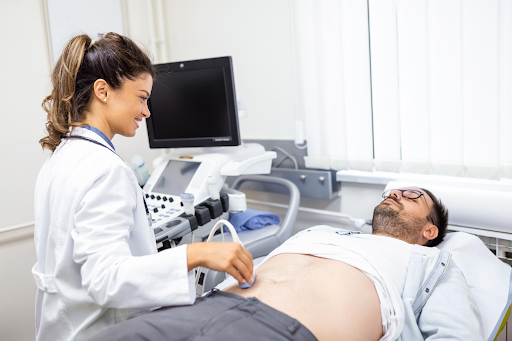
Gastroscopy allows doctors to visualize abnormalities directly. This test is suggested to diagnose ulcers, assess chronic heartburn, and identify gastrointestinal bleeding.
Key Takeaways
- A gastroscopy is preferred over scans and X-rays because it offers a clear view of the specified area.
- This test is used to diagnose ulcers.
- The duration of the test is around 15 to 45 minutes.
The digestive system of a person is a complex mystery, especially when you are experiencing consistent discomfort. A gastroscopy is a minimally-invasive procedure that is done to check the inside of your throat, food pipe, and stomach. This test is performed to find out the reasons behind your symptoms. This makes it a preferable one as compared to X-rays or scans.
In this blog, we will talk about the top scenarios when gastroscopy is recommended.
When Do You Need a Gastroscopy?
Here are the top five reasons when you require a gastroscopy.
1. Investigating Persistent Symptoms
Symptoms like abdominal pain, nausea and bloating, if occurring consistently, may point to digestive disorders. Often, acid reflux or stomach pain do not respond to medication. Tests like ultrasounds and CT scans are not appropriate in such cases and your doctor might recommend a gastroscopy. This test is also suitable if you are dealing with unexplained vomiting.
OTC medications mask surface-level discomfort. However, a gastroscopy allows the doctor to visualize the pain area directly to find out the structural root cause of a health problem. This test acquires multiple biopsies from the duodenum to ensure histological grading of villous atrophy. If you are facing trouble swallowing, you might go for a gastroscopy.
2. Diagnostic Ulcers and Inflammation
A stomach ulcer refers to an open sore in your stomach lining, which is a common cause of focal stomach pain. This takes place when stomach acid eats through your protective stomach lining. Compared to traditional X-rays, gastroscopy is better to spot open sores and inflammation. Hence, you need to visit a private gastroscopy clinic.
What makes gastroscopy a gold standard for diagnosing ulcers is that it combines high-resolution digital imaging, targeted air inflation, and fiber-optic illumination. This accounts for a clear view of the stomach lining, which is effective in detecting ulcers and inflammation. Renowned clinics, like Scope MD, use modern gastroscopes with CCD image sensors at the tip of the tube that transmit magnified digital images to a video monitor in real time. Also, this test detects the presence of H. pylori bacteria.
3. Evaluating Gastrointestinal Bleeding
Gastrointestinal bleeding refers to the loss of blood from any organ in your digestive system. This can take place from any part of the GI tract, which runs from the mouth to the anus. Slow bleeding in the upper gastrointestinal tract makes your body lose red blood cells quicker, thereby depleting iron. Well, GI bleeding is often indicated by vomiting blood or having tar-like stools.
A gastroscopy diagnostic is diagnoses the exact source of bleed, thereby offering immediate and targeted therapeutic treatment. Referring to this procedure, a tiny camera is used to see the exact location from where the blood is coming from in the esophagus, duodenum, and stomach. If a tumor is the cause of the bleed, the doctor can take a biopsy during this test. This is an immediate intervention because specialized tools are passed via the endoscope to stop bleeding on the spot.
4. Cancer Screening and Tissue Biopsies
Are you dealing with a tumor? If so, there is a high chance that it can be cancerous. Cancer screening is one of the top reasons for a gastroscopy test. This procedure is suggested in such cases because gastroenterologists spot early-stage cancerous lesions that imaging tests like a CT scan or an X-ray can miss.
Doctors can visually inspect the upper digestive tract, thereby extracting precise tissue samples. They see the exact location of abnormalities while collecting samples directly from those particular areas. Biopsies help to know whether the lesion is malignant or benign. Based on the result, further treatment is suggested.
5. Assessing GERD
Gastroesophageal reflux disease (GERD) is a chronic form of acid reflux, which flows back into the esophagus repeatedly. This is diagnosed when symptoms like heartburn or regurgitation take place frequently in a week. You might witness symptoms like sore throat, hoarseness, or chronic cough. A gastroscopy is a recommended test here.
A consistent acid reflux can contribute to severe damage over time. By performing a gastroscopy, a doctor can inspect the lining of the esophagus. This helps to detect diseases, like Barrett’s Esophagus, Esophageal Strictures, Erosive Esophagitis, etc. Well, this test is done when the individual does not respond to medication.
What to Expect During a Gastroscopy?
Let’s know about gastroscopy in detail.
Preparation
Inform your doctor about the medicines that you take regularly. Consider a normal diet a day before the procedure but avoid heavy meals. You need to avoid smoking and alcohol consumption at least 24 hours before the test.
When you prepare for gastroscopy, you must not eat any solid food for at least 6 to 8 hours before the appointment time. You can take small sips of water up to 2 hours prior to the test but avoid tea, coffee, or milk.
The Procedure
When you arrive at our clinic, the nurse will ask certain questions regarding your health condition and medical history. The doctor will spray local anesthesia to numb the back of your mouth and inside of your throat. This will be followed by offering a sedative via an intravenous (IV) line to help you relax.
The doctor will advise you to lie on your side while guiding the tube gently through your mouth, down your food pipe, and into the stomach and the opening of the small intestine. The stomach is inflated gently with air to obtain a clear view. The overall duration of the test is 15 to 45 minutes.
Recovery
You need to rest in a recovery area for about an hour. This is required so that most of the sedative wears off. Avoid engaging in any heavy work on that very day.
Wrapping Up
A gastroscopy is a minimally invasive procedure that helps to examine the inside of your throat, food pipe, and stomach. This is recommended for several reasons, like persistent symptom investigation, ulcer diagnosis, gastrointestinal bleeding evaluation, etc.
Have You Been Recommended a Gastroscopy?
We are an advanced private gastroenterologist center in Canada. Visit us if you are experiencing any of the symptoms that require a gastroscopy. Get the test done with utmost care.
Frequently Asked Questions (FAQs)
1. Is a Gastroscopy Painful?
In short, no. The thought of a tube being guided down your throat can be intimidating but modern sedation makes the procedure comfortable. In Scope MD, we apply a local anesthetic spray to numb your throat.
2. Are there any Risks Involved in Gastroscopy?
Complications are rare in gastroscopy. Well, you can experience minor bleeding from a biopsy site or any adverse reaction to the sedative. If you feel any abdominal pain or chest pain, inform your doctor.
3. What can I Eat after a Gastroscopy?
You should avoid eating or drinking until the numbness wears off. Start with small sips of cool water after that. You can consider soft foods like soup or yoghurt. Avoid drinking hot drinks until your throat feels normal again.
4. I am having my periods. Is it Safe to Engage in a Gastroscopy?
Yes, you can safely have a gastroscopy while being on your periods. Menstruation is not a contradiction for this procedure. Since this test does not include the reproductive organs, your period will not interfere with its safety or accuracy.
5. Can I Drive Home After a Gastroscopy?
This depends on the type of anesthesia you have received. You can drive home on your own if the doctor only uses a local anesthetic throat spray. If you have sedation, you cannot drive for 24 hours. Arrange someone to take you home from the clinic.