

How Modern Endoscopy Technology Improves Patient Care
Last update : 23 Sep 2026
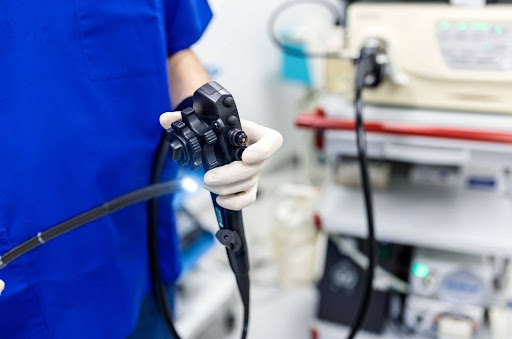
Fear of pain, severe post-procedure bloating, and long wait times cause many Canadians to delay critical endoscopy screenings. Modern technologies like HD imaging, AI detection, and fast-absorbing CO₂ insufflation reduce physical discomfort, eliminate long delays, and improve diagnostic accuracy.
Key Takeaways
- Advanced Diagnostic Precision: Modern HD/4K optics, Narrow-Band Imaging, and AI detection significantly improve early identification of small or flat precancerous polyps
- Enhanced Patient Comfort: Replacing room air with fast-absorbing CO₂ insufflation eliminates severe post-procedure bloating and minimizes physical discomfort
- Rapid Access to Tech: Accredited private clinics provide direct access to current-generation endoscopy tools, avoiding long public system wait times
Colonoscopy or gastroscopy can feel intimidating, and many Canadians delay screening because of it. The tools gastroenterologists use today are not the same instruments used a decade ago.
Imaging, detection, and comfort have all changed, and the advanced technology now ensures better patient care. This blog will explain which modern endoscopy technologies matter and what they mean for your appointment.
What Modern Endoscopy Technology Looks Like Today
Endoscopy technology has shifted from standard-definition scopes to HD and 4K imaging systems. And now higher resolution actually lets a physician see mucosal detail and subtle color/texture changes.
There’s also LED illumination and digital chip-on-tip cameras as the current baseline equipment used in endoscopy at accredited private clinics. Narrow-band imaging (NBI) is another technology where a light-filtering mode enhances blood vessel and surface patterns without dye or contrast.
| Feature | Traditional Endoscopy | Modern Endoscopy Technology | Patient Benefit |
| Imaging | Standard-definition video | HD/4K imaging with digital enhancement (e.g., NBI) | Finer tissue detail; earlier detection of subtle changes |
| Lesion detection | Visual assessment only | AI-assisted computer-aided detection (CADe) | Higher adenoma/polyp detection accuracy, especially small or flat lesions |
| Bowel insufflation | Room air | Carbon dioxide (CO2) insufflation | Significantly less post-procedure bloating and pain |
| Scope components | Fully reusable parts | Single-use/disposable components on select models | Reduced cross-contamination risk |
| Reporting | Handwritten or basic notes | Digital reporting with captured images | Clear, shareable record for follow-up care |
Table 1: Traditional vs. Modern Equipment Used in Endoscopy
How AI and Imaging Improve Diagnostic Accuracy
AI-assisted computer-aided detection (CADe) used by clinics is a software program that flags suspicious tissue in real time during an endoscopy procedure, without replacing the endoscopist’s judgment.
This matters practically because more adenomas found and removed during screening lowers the chance a precancerous lesion is missed and has to be caught later, at a more advanced stage.
FACT
Clinical studies show AI-assisted colonoscopy improves adenoma detection accuracy to over 85% and polyp detection accuracy to over 90%, with the biggest gains on small, flat lesions that are the easiest for the human eye to miss during screening.
Why a Private Endoscopy Clinic Often Means Newer Technology
An endoscopy private clinic can purchase and upgrade equipment on its own timeline, rather than competing for hospital capital budgets and provincial procurement cycles.
Canadian public wait lists for non-urgent endoscopy are well documented. However, private clinics offer an alternate route to both speed and current-generation gastroscopy/colonoscopy technology.
| Technology | What It Does | Benefit to the Patient |
| High-Definition/4K Imaging | Captures higher-resolution video of the digestive tract lining | Lets the physician spot subtle mucosal changes standard-definition scopes can miss |
| Narrow-Band Imaging (NBI) | Uses filtered light to enhance blood vessel and surface patterns without dye | Improves visibility of precancerous tissue changes during the same exam |
| AI-Assisted Detection (CADe) | Flags suspicious areas on-screen in real time as the scope moves | Supports the endoscopist in catching small or flat polyps more consistently |
| CO2 Insufflation | Uses carbon dioxide instead of room air to expand the colon for viewing | Gas absorbs faster than air, reducing bloating and cramping after the exam |
| Digital Reporting & Imaging | Captures and stores procedure images and findings electronically | Gives the patient and referring physician a clear, accessible record |
Table 2: Key Technologies Used in Modern Endoscopy and Their Patient Benefit
USE CASE
A 52-year-old patient with a family history of colorectal cancer chose a private clinic offering HD colonoscopy with AI-assisted detection, receiving a procedure date within weeks and same-day polyp removal instead of a months-long public wait.
Patient Comfort and Safety Innovations
The equipment used in endoscopy nowadays also reduces physical discomfort, not just improves detection. Furthermore, modern technology uses CO₂ (carbon dioxide), which is absorbed roughly 160x faster than nitrogen (13x faster than oxygen) and clears the bowel within about 30 minutes. This can also be linked to significantly less bloating and post-procedure pain.
Modern endoscopy exams implement single-use/disposable components on scopes as an infection-control improvement that patients can ask about. And continuous vital-sign monitoring is considered standard during every sedated endoscopy procedure at an accredited clinic.
| Stage | What Happens | Technology Involved |
| Pre-procedure consultation | Health history, medications, and sedation plan reviewed with the care team | Digital intake and charting |
| Prep & sedation | Bowel prep confirmed; sedation administered by the clinical team | Continuous vital-sign monitoring |
| During the exam | Physician navigates the scope while viewing live HD video | HD/4K imaging, NBI, AI-assisted detection, CO2 insufflation |
| Immediately after | Patient recovers under observation as sedation wears off | Vital-sign monitoring continues |
| Results & follow-up | Findings reviewed with the patient, often same-day | Digital report with captured images |
Table 3: What to Expect During a Modern Endoscopy Procedure at Scope MD
CAUTION
Even with advanced clinical technology, sedation carries small risks such as temporary low blood pressure, grogginess, or nausea. Always disclose your full medical history, current medications, and allergies to your care team before your procedure date is confirmed.
Also read our other blog: Gastroscopy Preparation Guide: What to Know Before an OGD Procedure & Endoscopy Procedure
USE CASE
A patient with persistent reflux underwent gastroscopy using HD imaging and narrow-band imaging. The added detail let the gastroenterologist identify early esophageal tissue changes and begin monitoring before symptoms had a chance to progress further.
Questions to Ask Before Choosing a Clinic
Before you choose your endoscopy private clinic, you will need to make sure of what technologies they use for tests. Not all clinics disclose their equipment details, so you should ask the following questions directly:
- Is imaging HD/4K?
- Is AI-assisted detection used?
- Is CO2 insufflation standard?
- Is the endoscopy private clinic accredited (e.g., Accreditation Canada)
- Are results reviewed same-day?
If the answers are mostly yes, with exact information and not ambiguous explanations, you are good to go with them.
Conclusion
Better optics, AI support, and gentler technique are why a screening today looks and feels different than it did ten years ago. With the advanced systems, they get detailed results to improve patient care. However, none of this replaces the physician’s expertise, as the tools are mainly needed to support their judgment.
Trust Scope MD’s Modern Endoscopy Technology to Experience Better Care
Whether you need gastroscopy or endoscopy tests to be done, we can help with both in Montreal, West Island, and Laval. Contact us to book your appointment or to clear any queries regarding endoscopy.
Frequently Asked Questions (FAQs)
1. How Should I Prepare My Diet in the Days Leading Up to an Endoscopy or Colonoscopy?
Follow a low-fiber diet 2–3 days prior, switching to clear liquids 24 hours before your procedure to ensure clear optical visibility.
2. Will I Be Fully Awake During My Modern Endoscopy Procedure?
No, most clinics administer conscious or deep sedation, ensuring you remain calm, relaxed, and comfortable while clinical teams continuously monitor vital signs.
3. How Long Does a Modern Endoscopy Procedure Take From Start to Finish?
The endoscopic examination itself takes 15 to 30 minutes, though total clinic time averages 2 to 3 hours for preparation and recovery.
4. Can I Drive Myself Home After Receiving Sedation for an Endoscopy?
No, sedatives impair reaction times and judgment. You must arrange for a responsible adult to accompany you home after your procedure.
5. Are Modern Private Endoscopy Procedures Covered by Provincial Health Plans or Private Insurance?
Provincial health coverage varies by region, but many private health insurance plans (plans like OHIP) cover facility fees and specialized procedures at accredited clinics only for medically necessary endoscopies.