

Colonoscopy After 40, 50, and Beyond: When Is Screening Recommended?
Last update : 13 Oct 2026
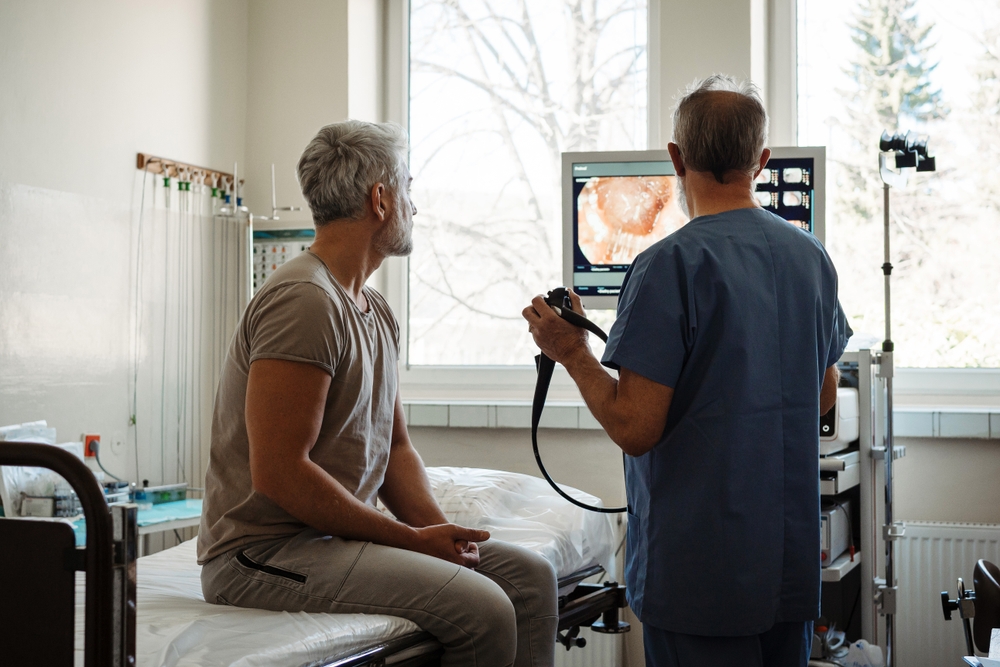
Anyone in Canada can be at risk of colorectal cancer. To make sure that you get to treat it early, you need to know your risk factors before you turn 40. However, routine screening is suggested for average-risk patients aged 45-50 and colonoscopy for high-risk patients under 40 years old. This blog will explain what the right age is to get screenings done based on different categories and factors of patients.
Key Takeaways
- Patients Aged Under 40: Patients are usually average-risk patients with no symptoms, and they don’t need routine screening unless any symptom or hereditary syndrome is found.
- Patients Aged Between 40 and 74: Patients are generally at an average risk with no symptoms, but healthcare providers suggest getting routine screenings done, especially if someone in the family gets diagnosed.
- Patients Aged 75 and Above: Routine screening is usually stopped after this age, and decisions are made individually according to personal physicians, especially to also check for polyps.
Most Canadian people at risk of colorectal cancer begin screening when they are 50 years old. However, people in Ontario and Prince Edward Island start screening at 45. Furthermore, a Colonoscopy is recommended at age 40 if you have a family history, an abnormal stool result, or symptoms.
According to Canadian Partnership Against Cancer, Colorectal Cancer is the 4th most diagnosed cancer in Canada, with an average of 69 new cases every day. Considering the concerning number, this blog will elaborate on the right time to begin screening after you turn 40.
When Should You Begin Your Screening for Colorectal Cancer?
There is no single suitable age for colonoscopy for all. Your perfect screening age depends on three particular factors: your family history, whether you have symptoms, and the province you reside in.
Here’s a typical Canadian guidance by age group so that you know what your recommended screening age is.
Under 40 Years Old
This age group applies to average-risk patients with no symptoms, where no routine screening is needed. Colonoscopy is indicated when symptoms are present or a known/suspected hereditary syndrome is present.
Ages 40-44
If you have one first-degree relative diagnosed before 60, or two or more relatives diagnosed at any age, you should get screening done during this age range. Get screened every 5 years, starting at 40 or 10 years younger than the age of the relative who got diagnosed, whichever is earlier. This is a primary screening tool for higher-risk people.
It also applies when one of your first-degree relatives is diagnosed at 60 or older, or second-degree relatives like grandparents, aunts, and uncles diagnosed at any time. For the latter case, it is treated as average risk, but you will still have to let your doctor know about it.
Real-World Scenario
Sophie, 46, from Laval, saw her father getting diagnosed with colon cancer at 52 years old. Since he is her first-degree relative and was diagnosed before 60, she needed to get a colonoscopy done every five years, starting with the first one immediately, without waiting to turn 50 to get screened.
However, instead of wondering when to get a colonoscopy done, you should book a medical assessment immediately, at any age, if you see:
Blood in your stool or experience rectal bleeding
A lasting change in bowel habits
Persistent abdominal pain
Unexplained weight loss
Iron-deficiency anemia found in blood test results
Ages 45-49
If you are an average-risk patient with no symptoms, and you stay in Ontario and PEI, we recommend getting an FIT every 2 years. For Quebec and most other provinces, as they are not yet part of organized screening, first discuss with your physician. Here, colonoscopy’s role is to ensure a follow-up for an abnormal FIT, symptoms, or family history.
As of March 2026, PEI lowered its screening age to 45, followed by Ontario in July. The rest of the provinces, like British Columbia, Quebec, Alberta, Manitoba, and others, follow the 50-74 years age range.
Therefore, based on where you live in Canada, this age range might not be applicable everywhere, and we suggest consulting with your doctor before making any decision.
Tip!
Before your appointment, please remember to ask your close relatives which cancer they had, where, and their age at diagnosis. You should also ask about advanced polyps and write them down somewhere. Those details, particularly any diagnosis that happened before 60, can push your recommended start date many years earlier.
Ages 50-74
If you are an average risk patient with no symptoms, you fall under this category. We suggest getting a FIT (iFOBT in Quebec) every 2 years for screening. Colonoscopy acts as a diagnostic follow-up of an abnormal stool test (ideally within 8 weeks) when the result is positive. Here, the colonoscopy screening is not just a routine first-line check for average-risk patients.
A colonoscopy test is also the right next step when you notice:
An abnormal or positive stool test result
Symptoms such as rectal bleeding or lasting change in bowel habits
A personal history of polyps needing surveillance
A qualifying family history
Real-World Scenario
Marc, 54, a resident of Gatineau, completes his iFOBT and receives a positive result. His physician then arranged a colonoscopy, where a polyp was also found. The doctor removed the polyp before it could become cancerous. His next scope date was set according to what was found.
Ages 75 and Above
We advise against routine screening from this age. You should decide individually with your healthcare provider after considering the colonoscopy procedure risks. Here, colonoscopy is done case by case as surveillance for prior polyps, which is set by a specialist.
How often you are supposed to repeat colonoscopy now depends on the results that you get. If one colonoscopy finds nothing and you have no risk factors, the next one is usually scheduled after 10 years. Higher-risk patients and patients with polyps are scoped more often, and that will be decided by your specialist.
Caution!
If you are scheduled to get a colonoscopy done, we suggest you plan your logistics early. This is because you will be sedated during the scoping, and therefore, you will need a driver to take you home. You might also need a day off work. Furthermore, prescription medications, like blood thinners and diabetes drugs, might also need adjustments, so inform your clinic before your appointment, ideally a week ahead.
Conclusion
The right screening age is not the same for everyone. The ages differ based on your condition, symptoms, and also the province you are currently residing in. However, extreme cases and symptoms need immediate attention, so consult with your doctor promptly regardless of your age.
If Your Situation Matches Any of the Aforementioned Age Groups, We Can Help You!
For professional and best-quality colonoscopy tests in Canada, our specialists at ScopeMD are the right choice. Contact us now for consultations or appointments!
Frequently Asked Questions(FAQs)
1. What Should I Do to Prepare for a Colonoscopy Procedure?
We suggest following a strict liquid diet before scoping, and you should also take the prescribed laxative solutions to fully clear your bowel before testing.
2. What Happens If You Find a Polyp During My Colonoscopy?
Our specialists generally remove the polyp immediately during the procedure and send it to the lab for further testing.
3. Is Colonoscopy Painful? Will I be Awake During The Procedure?
You will receive sedation so that you stay calm and comfortable during scoping, which will make the procedure virtually painless, and you will have little to no memory of it afterwards.
4. How Long Does a Colonoscopy Procedure Take and When Will I Be Able to Return to Normal Activities?
The procedure takes about 30 to 60 minutes, with additional time for arrival and preparation. However, you should also rest for the rest of the day to let the sedation effects die down.
5. How is FIT Stool Test Different From Colonoscopy?
FIT Stool Test: This one is used to check at-home stool samples for hidden blood.
Colonoscopy: In this case, a scope is used to visually examine your entire colon with a camera.