

Stomach Polyps: Diagnosis, Treatment, and Prevention
Last update : 06 Mar 2026
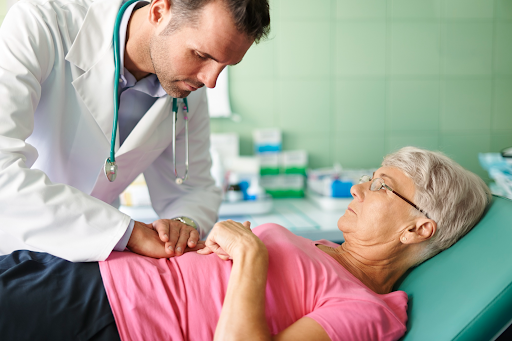
Are you feeling nauseous, or do you feel pain in the stomach when pressed? It can be a symptom of stomach polyps. Read on to know how stomach polyps are developed, their treatment, and how to prevent them.
Stomach polyps are not something that comes with a warning. These sneaky, tiny lumps might develop inside the lining of your stomach. These can lead to cancer, but in most cases, they are benign.
You might ask – how do you diagnose it if it has no symptoms? Well, only an upper endoscopy can help the doctors discover it. Besides, there are certain common signals that you might be developing stomach polyps. Later, we will also discuss them.
So, What are Stomach Polyps?
Stomach polyps are a kind of tumour that grows inside the lining of your stomach. In general, polyps grow out of the mucous lining inside a hollow organ. Stomach polyps are also called gastric polyps. The gastric polyps can be as small as a few millimetres in diameter, or even can even be 1 to 1.5 cm in diameter. Most polyps are benign, and those that are large in size have a risk of turning cancerous.
When doctors want to check for stomach polyps, they advise undergoing gastroscopy for stomach polyps.
Types of Stomach Polyps
There are different types of stomach polyps. However, the most common type of stomach polyp is epithelial polyps. This type of polyp grows out of the top layer of the stomach lining, the epithelium. Other uncommon types of polyps may develop from the deeper layers. These polyps are called mesenchymal polyps.
Now, let’s take a look at the different types of epithelium polyps:
Fundic Gland Polyps
It is the most commonly found stomach polyps that appear through the upper part of the stomach – the fundus. These types of polyps may not have cancerous potential when they appear in an irregular pattern. However, when the fundic gland polyps appear in great numbers with symptoms like familial adenomatous polyposis (FAP), gastric adenocarcinoma, and proximal polyposis (GAPPS) of the stomach, then it can be dangerous.
If GAPPS has developed into Gastric Cancer, then it can be dangerous to the patient. Because Gastric Cancer is the fourth most common cause of cancer death globally.
Hyperplastic Polyps
Like the previous ones, these also do not carry the risk of cancer. You are at risk of developing them if you have been suffering from inflammation in your stomach.
Sometimes, these hyperplastic polyps develop as a warning sign to possible risk of cancer. If these are found in the patient, the doctor advise to take sample from the surrounding mucosa for possible signs of cancer.
A stomach polyp biopsy during gastroscopy can also be done to identify if there is a risk of cancer.
Adenomatous Polyps
It is also one of the most commonly occurring stomach polyps. Approximately 10% of total stomach polyps are adenomatous polyps. These polyps develop with a sporadic and solitary pattern. However, if the patient has FAP, these polyps can grow in great numbers. Whenever the healthcare providers find these types of polyps, a check for cancerous properties follows.
Apart from these, the following stomach polyps can also develop in the patient:
- Gastric neuroendocrine tumours (carcinoid tumours)
- Hamartomatous polyps
- Inflammatory fibroid polyps
- Gastrointestinal stromal tumours (GIST)
- Leiomyomas
However, the cases of gastric polyps are estimated to be between 2-6%. But the alarming fact is that the number of gastric polyp’s cases is increasing.
Causes and Symptoms of Stomach Polyps
First, start with the possible causes of stomach polyps.
Causes of Stomach Polyps
The exact causes of developing stomach polyps are still unknown to the practitioners of medical science. But here are some possible causes of stomach polyps:
Infectious Causes
If there is an infection in your stomach with Helicobacter pylori, there can be a risk of developing gastric polyps in the stomach. The bacteria can live in extreme acidic environment in your stomach and produce enzymes that can neutralize acid. In the US, approximately 5% of children under the age of 10 suffer from H. pylori bacteria.
If a stomach infection from H. pylori persists for a long time, it can lead to changing the stomach lining and increase the risk of polyp formation.
Hereditary or Autoimmune causes
If the patient’s family has a history of developing stomach polyps, the patient is also at risk. Even if the patient suffers from autoimmune gastritis, it can cause chronic inflammation in the stomach and increase the risk of polyp formation.
Lifestyle and Dietary Factors
The lifestyle choice can also influence the development of stomach polyps. Consuming processed foods in high quantities can increase the risk of colon polyps. Also cooked red meat at high heat may produce harmful substances like heme iron. It can damage colon cells and lead to the development of cancerous polyps.
On the other hand, fried foods contain harmful substances like acrylamide and PAHs (probable carcinogens). It can increase the risk cancerous polyps.
Instead, keep fruits and vegetables in high quantity in your diet to avoid the risk of developing stomach polyps.
Get in touch with us at ScopeMD to undergo a gastroscopy for stomach polyps.
Now, let’s take a look at the possible symptoms and warning signs.
Symptoms
If the stomach polyps are small in size, they would not cause any noticeable symptoms. However, large polyps cause significant complication which might include the following:
Nausea and vomiting
You might feel nauseous and vomit that might include blood.
Gastrointestinal bleeding
If you notice black or foul-smelling stool, it is an indication of bleeding from the upper digestive tract. Also, if you vomit bright red blood, these might be the symptoms of stomach polyps.
Loss of Appetite
At the same time, you might lose your appetite with unexpected weight loss.
Abdominal Pain
Not to forget, pain and discomfort in the upper abdominal area.
Diagnosis
Clinical Evaluation
The health worker or the doctor will clinically evaluate your symptoms. Besides, the doctors will ask for your medical history, symptoms, and family history of developing polyps.
Medical Tests
The doctors may advise you to do some medical tests to diagnose stomach polyps and related risks. It may include:
- Gastroscopy
- Biopsy
- CT Scans or Ultrasounds
Differential Examination
The symptoms of stomach polyps may seem similar to some other gastrointestinal conditions. These medical issues need to be diagnosed properly, which may include:
- Gastritis
- Gastric Ulcers
- Stomach cancer
- Different kinds of gastrointestinal tumours
How to Treat and Prevent Stomach Polyps?
The treatment for stomach polyps can be two types: medical treatment and lifestyle changes.
Medical Treatment
The doctors might use either medical drugs or surgery to resolve the issue.
Medication
If the polyps are caused by an infection from H. Pylori then the doctor will suggest some antibiotics to handle the bacteria.
Surgical Removal
If you have some large stomach polyps that are causing serious issues, the doctors may surgically remove them. Even if you have cancerous polyps, surgical removal is the best option.
However, the doctors can leverage gastroscopy for stomach polyps to monitor the polyps that are small in size.
Lifestyle Changes
Don’t consider lifestyle changes to be an alternative to medical treatment. The doctors might advise you to continue both at the same time. You might be asked to do – Dietary changes by including more fruits and vegetable sin the diet and whole grain foods. Also, try reducing processed foods and salt intake as much as you can.
Regular exercise is also necessary to maintain a healthy body weight, helping you reduce the risk of gastrointestinal issues.
Finally, avoid tobacco and alcohol to improve your overall health. It also helps in reducing the risk of stomach polyps.
Vaccination
If you are at risk of getting infected by H. Pylori, then the doctor might suggest that you have a vaccination.
Conclusion
Stomach polyps may or may not have clear symptoms, making it difficult for doctors to easily diagnose them. If you have been feeling nauseous, having a loss of appetite, or suffering from stomach pain, consult a doctor immediately. While most stomach polyps do not have cancer potential, some of them might have cancerous properties.
Book a Slot for Gastroscopy, Check for Stomach Polyps
If you are looking for a reliable clinic to undergo gastroscopy to diagnose stomach polyps, get in touch with ScopeMD. Book your slot to experience our client-focused diagnostic approach.
Frequently Asked Questions (FAQs)
1. Can Stomach Polyps Become Cancerous?
Yes, certain types of polyps can turn cancerous over time. So, regular monitoring and removal of these polyps are essential to safeguard yourself from gastric cancer.
2. How Gastroscopy Detect Stomach Polyps?
In gastroscopy, a thin and flexible tube with a tiny camera at the end is inserted into your stomach. The doctors can see and inspect the growth of the stomach lining and the growth of polyps out of it.
3. Can Children Develop Stomach Polyps?
It is rare, but, yes, children can develop stomach polyps. If your child experiences any gastrointestinal issues, check with the doctor immediately.
4. How Frequently Should I Get Myself Checked for Stomach Polyps?
It depends on the risk factor of developing stomach polyps in the individual. If you or someone you know has a history of stomach polyps, then regular endoscopic checks are needed, as recommended by the healthcare providers.