

10 Tips for Smooth Recovery After Your Colonoscopy or Gastroscopy
Last update : 12 Dec 2025
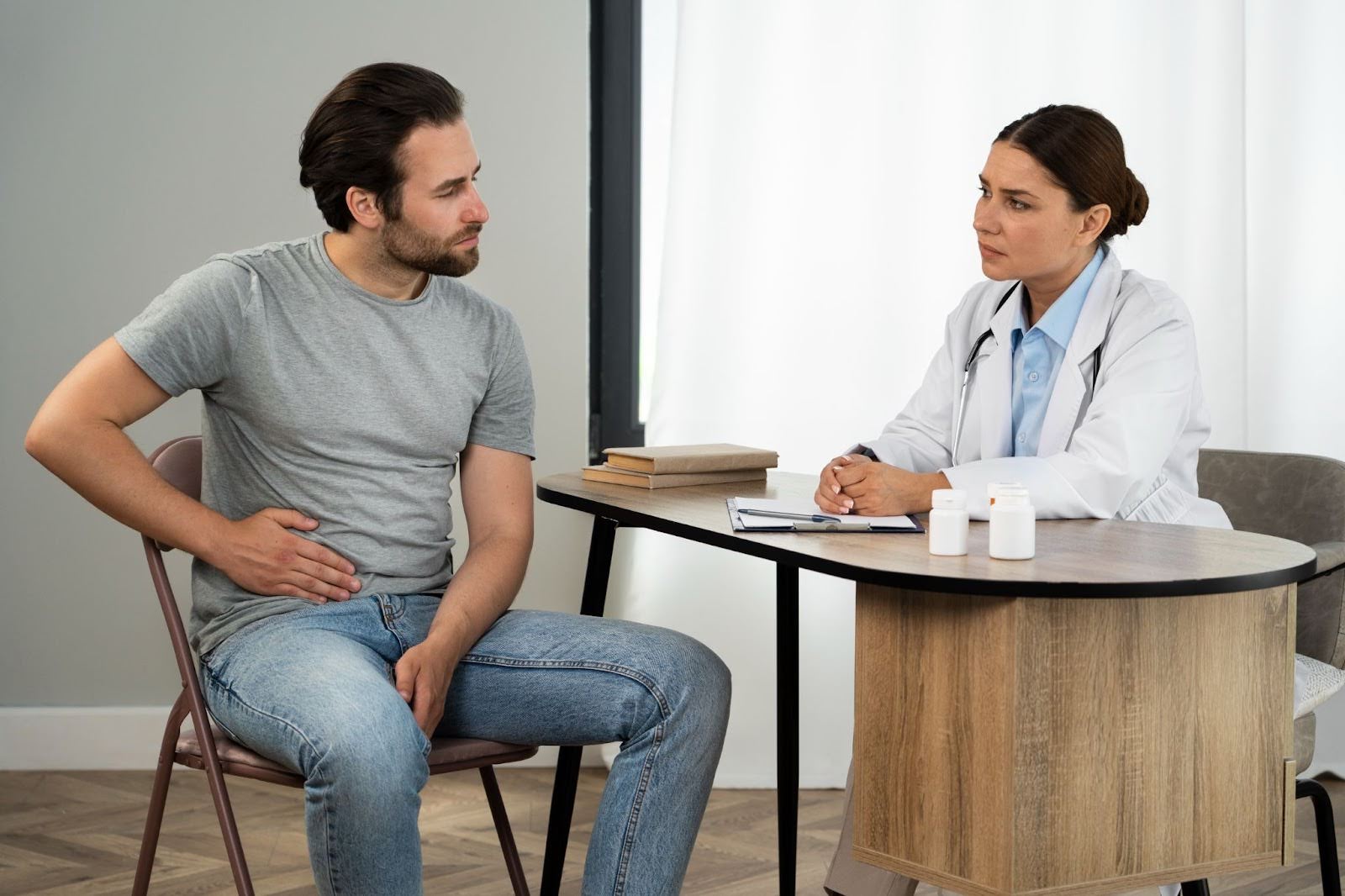
Gastroscopy and colonoscopy are two normal medical examination processes. If you have been facing issues in the esophagus, abdomen, or colon, then a doctor might prescribe these tests. These examinations are safe for the patient, and no need to worry about patient safety. However, if it is your first time, you might feel a bit uneasy. In this blog, we will offer you some tips for a smooth recovery from the procedure.
A colonoscopy is a medical examination to examine the inside of your large intestine or colon. A flexible tube with a tiny camera and light attached to its tip is inserted through your anus and rectum. Doctors prescribe the examination to diagnose gastrointestinal diseases, including intestinal polyps, inflammation, etc.
On the other hand, a gastroscopy also uses a flexible tube with a camera attached to it, but it passes through your mouth to examine the esophagus, stomach, and duodenum. Both of these examination procedures are low-risk. It allows the doctors to know the condition of your intestine without operating on your body.
Now, let’s start the discussion to know how you can recover from it smoothly.
1. Rest and Take It Easy for the First 24 Hours
Before starting the procedure, you will be sedated to reduce discomfort and anxiety. So, after the examination is done, you will still feel the effect of the sedative drug on you. Due to the effect of the drug, you will feel drowsy. So, it would be better for you if you do not drive while still under the influence of the drug.
For the first 24 hours, you should take it easy and avoid driving. Take rest, do not operate any machine or make any important decisions, especially immediately after the procedure. However, do not panic; once the effect of the sedative wears off, you will feel fine.
2. Start with Light, Easily Digestible Foods
Soon after the upper endoscopy, you might feel soreness in the throat. So, don’t eat a heavy meal after the examination is over. Start with a light and easily digestible meal. For example, you can eat soup, yogurt, or porridge for the first meal after the examination.
Your colonoscopy post-care should involve meals that are not too spicy or greasy. The main reason for not taking too much spicy food is that your digestive system will be sensitive. It will take some time for the system to settle down and work normally again.
Till then, you should keep the food on the lighter side.
3. Stay Hydrated, but Reintroduce Fluids Gradually
You should stay hydrated after the procedure. Drinking plenty of fluids will help you flush out the remaining sedative from your body. However, you should reintroduce fluids gradually because you may feel gassy or bloated.
Still, start taking small sips of water or electrolyte drinks. It will give you energy, and when your stomach settles and you feel good to have solid food, eat in small amounts.
4. Move Around Gently to Ease Bloating or Gas
If you ask, “What to expect after a colonoscopy?” – the answer could be sore throat, bloating, and gas in your stomach. But don’t worry, the digestive issue is not permanent; with time, the symptoms will go away. It happens because during the procedure, air from outside enters your stomach.
It would be better if you tried to walk gently. But don’t go outside and start walking by the roadside. You will be under the influence of the sedative, so it would be better if you had walked inside your room or house down the corridor. With gentle walking, you will be able to reduce the feeling of bloating.
5. Follow Medication Instructions Carefully
Before the start of the procedure, your doctor might ask you to stop certain medicines that you may already be using. However, you should ask the doctor about when you should resume the medicine.
Besides, you should not consume NSAIDs or blood thinners before the procedure. Always consult your doctor and do not take the medicines if the doctor has not cleared it. Ask for the doctor’s advice about when you should resume the medications that you have stopped.
6. Expect Mild Digestive Changes
After the colonoscopy and gastroscopy, you might feel mild digestive issues. You might not be able to digest your meal as easily as you used to. But there is nothing to worry about – it is completely normal for you to experience mild digestive issues.
You might even experience irregular bowel habits, but that is also temporary. The issue is likely to remain for approximately 1-2 weeks. Gradually, you will start having a regular bowel habit.
If you see blood with your first bowel movement, don’t be alarmed. It can be a symptom of issues, especially if a polyp has been removed or a biopsy has been done. However, if the bleeding is too much, get in touch with the colonoscopy clinic in Laval from where you had the examination done.
7. Manage Throat or Abdominal Discomfort
As you already know from the above discussion that you might experience a sore throat after a gastroscopy, so you may try drinking warm tea. You can also drink light warm soup or lozenges to manage a sore throat.
On the other hand, after the colonoscopy, you might feel abdominal cramps. As a colonoscopy post-care, you might try a warm compress on your abdomen. It will help reduce the cramping caused by the colonoscopy.
8. Slowly Return to Normal Diet
After one or two days have over, you can start taking normal foods. If you do not feel digestive discomfort, try eating normal foods in small quantities. If it suits you, then increase the amount of food you consume.
Try eating a balanced diet- fruits, vegetables, lean protein, and whole grain foods. These foods will give you nutritious elements like protein, carbohydrates, minerals, and vitamins. Your doctors will also guide you about the food you need to eat to get back to a normal lifestyle.
Good food is important for your health, but do not start eating in large quantities. It will put pressure on your digestive system.
9. Resume Exercise and Routine Activities Gradually
After you are done with the colonoscopy and gastroscopy, you might feel a bit gassy and bloated. Start with light exercise or simple jogging after 24 to 48 hours of the procedure. For the first day, you might feel a bit sedated, so exercising under the influence might be a dangerous idea.
Don’t start with strenuous activities and quickly exhaust yourself. The best thing would be to ask for advice from your doctor. Depending on your condition, he will give you the best exercise advice.
10. Keep Your Follow-Up Appointment
If you had completed the gastroscopy and colonoscopy in Montreal, then you should follow up with an appointment with your doctor. Collect the report of private gastroscopy in Montreal and review it with the doctor. Discuss the possible steps or plan for your digestive care.
If you follow up with your doctor regarding the biopsy report or other concerns, you can follow a path to get better. If possible, the doctor will plan for long-term treatment.
Know What to Do After a Colonoscopy and Gastroscopy? Book an Appointment Today!
Colonoscopy and gastroscopy can feel discomforting. You might feel that your digestive system is not functioning well, or you may feel bloated. You should know that these symptoms are all natural after the tests.
Start doing light exercise and consume light foods after you are done with the tests. Now that you know what you need to do after a colonoscopy or gastroscopy, book an appointment with your doctor to get the tests done.
Frequently Asked Questions
1.What is the Fastest Way to Recover From a Colonoscopy?
The fastest way to recover from a colonoscopy is to take rest, drink healthy liquid food, and rest. The symptoms you may see after a colonoscopy are normal for anyone. With time, all of the symptoms go away.
2.Should I Take Any Probiotics After Doing a Colonoscopy
Yes, you may take probiotics after you are done with a colonoscopy. It will help you with digestion and cope with digestive issues after a colonoscopy.
3.Why Do I Need a CT Scan Even After a Colonoscopy?
If the inserted flexible tube could not reach the full length of your colon, a CT colonography can be done. A CT colonography should be done on the same day after the colonoscopy, as it generates a clear image of your colon. The reason behind doing it on the same day is – the colon has been cleansed that day for a colonoscopy.
4.Is It Common to Feel Tired After a Colonoscopy?
Yes, it is a common side effect after doing a colonoscopy. Preparation for the testing, fasting, and sedation – all contribute to the tired feeling.