

Colonoscopy 101: A Complete Patient’s Guide
Last update : 17 Apr 2026
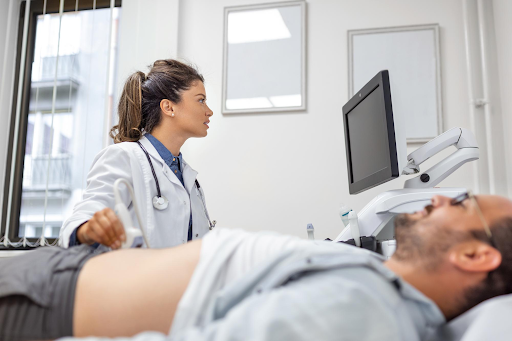
A colonoscopy is a procedure that examines the inside of the large intestine to detect abnormalities like cancer or polyps. This is used to investigate symptoms like belly pain, a change in bowel movement, and bleeding from the anus. The colonoscopy procedure is considered both diagnostic and therapeutic.
Around 1 million colonoscopies are performed in Canada each year. Before you engage in this procedure, you need to obtain adequate knowledge of it. In this article, we will provide a comprehensive patient guide to colonoscopy.
Key Takeaways
- A colonoscopy examines your large intestine to detect polyps or cancer.
- Patients take liquid foods on the day before the test.
- The procedure takes around 30 to 45 minutes.
What is the Need for Colonoscopy?
Your doctor might recommend a colonoscopy to you for the following reasons.
- Investigation of Intestinal Signs and Symptoms: Are you dealing with symptoms like abdominal pain or rectal bleeding? If yes, a colonoscopy is essential to identify the causes. This test is also done to find out polyps, Crohn’s disease, etc.
- Screening for Colorectal Cancer: People with an average risk of colon cancer must go for colorectal cancer screening from the age of 50 years. Here, colonoscopy is a common screening option. However, in early onset cases, the minimum age for screening is reduced to 45 years.
- Monitoring Polyps: If polyps have been identified before or if you have a family history of polyps, colonoscopy is recommended. This identifies and removes additional polyps. This lowers the risk of colorectal cancer.
How Can You Prepare for a Colonoscopy Examination?
Preparation is the key to success, especially for a diagnostic test. Referring to the colonoscopy, a clean colon is required for the doctors to observe clearly. Poor preparation might require a redo. Let’s understand the timeline of colonoscopy preparation.
| Time | What to Keep in Mind |
| 1 week prior | Not to consume high-fibre foods and stop taking iron supplements |
| 3 days prior | Obey a low-residue diet |
| 1 day prior | Clear liquids only |
Table 1: Timeline of Preparing for a Colonoscopy
Opt for bowel preparation from the evening before the procedure. The different types are liquid laxatives, pill-based preparations, and magnesium citrate-based preparations.
Bowel preparation starts working within a few hours after you begin it. This results in changing your stool from solid to smooth, followed by becoming watery and light coloured as the colon empties. Let’s understand some key tips to ensure better preparation.
- Keep the liquid solution in the refrigerator and consume it via a straw to bypass taste buds
- Stay near the bathroom to deal with urgent bowel movements frequently
- Drink plenty to fluid to avoid dehydration
- Apply soothing creams to the anal area to prevent skin irritation
The Day of Colonoscopy Procedure: Everything You Need to Know
Are you going for a colonoscopy screening for colon cancer? You need to be aware of how to prepare for the big day. Let’s see.
When You Arrive
Arrive at the hospital at least 15 to 20 minutes before. You will have to be at the facility for around 2 to 3 hours. You need to speak to the nurse about the procedure. They will brief you and will tell you to change into a hospital gown.
To keep you comfortable and make the test easier, you will be given painkillers or sedation. Stay calm and follow their instructions.
Giving Consent
Before starting the colonoscopy assessment, the specialist will explain the probable risks. In rare instances, you might experience:
- Reaction to the sedation
- Heavy bleeding after a colonoscopy
- A small tear in their bowels
The clinic will provide a consent form that you need to sign. This confirms that you are aware of the risks and have agreed to the procedure. Well, the stated risks are rare, and your doctor will take care of you if anything happens.
The Procedure
What to expect during a colonoscopy? Let’s understand what you will go through within those 30 to 45 minutes.
| What Happens | How Will You Feel |
| A thin and flexible tube with a small camera goes inside goes into your bottom | You can feel when the camera will proceed, but you will not feel any pain |
| Air is pumped in for the opening of your bowels | A bit of being bloated |
| The tube goes through the entire large bowel | Some stomach cramps |
| Removal of polyps in your bowels, if any or a cell sample taken | No feelings |
Table 2: Colonoscopy Procedure
What to Expect After a Colonoscopy?
Along with colonoscopy preparation, you need to be aware of the recovery and aftercare. Here are the things you need to know:
Leaving the Clinic
You will feel a bit uncomfortable immediately after the test. You need to spend half an hour to an hour in the clinic after a colonoscopy for the sedation to wear off. You can leave the clinic when the doctor feels that you are good enough to leave.
The initial findings are discussed before you leave the clinic. The sedation might last longer than you expect. In the first 24 hours, you must avoid:
- Cooking
- Drinking alcohol
- Taking sleeping pills
- Operating any machinery
Going Home
Take rest at home for the first 24 hours after the test. You can start doing the daily activities from the second day.
If polyps are removed or biopsies are taken during the colonoscopy procedure, you might see a small amount of bleeding from your bowel. Don’t get afraid. This is normal and will settle within 24 hours.
Pain
Is a colonoscopy painful? This is a common question for many people who have gone through this test. In short, the answer is no. You might experience bloating or abdominal discomfort, but that will not last more than a day.
Try to pass wind if your discomfort does not settle after 24 hours. You can also consider consuming warm drinks or peppermint water. If it still stays, contact your doctor.
Going for a Colonoscopy: Who is not Eligible?
Colonoscopy is not recommended for some people. These include:
- Hemodynamically unstable
- Individuals with severe colitis
- Patients above 85 years of age
- People with suspected perforation
Planning to Get a Colonoscopy?
We are a renowned name in colonoscopy while providing short waiting times. Visit our clinic, acquire an expert consultation, and get the test done smoothly. With the highest standards of quality medical care, we ensure high precision in test results.
Frequently Asked Questions(FAQs)
1. What Medications Should I Stop During Colonoscopy Preparation?
Stop taking blood thinners, iron supplements, and fibre supplements a week before a colonoscopy. Avoid NSAIDs to lower bleeding risk. Consult with your doctor to obtain a better understanding of this.
2. Can I Drive Home After a Colonoscopy?
No, you should not ride a bike or drive a car after a colonoscopy. This is because the sedation impairs your reflexes and judgement. It’s better to appoint someone who will drive you home from the clinic.
3. How Long Do I Have to Wait to Get the Biopsy Result?
Generally, the biopsy result arrives within 1 to 3 weeks. Well, some results might take a month, depending on the lab. Ask for the waiting time before you leave the clinic on the test day.
4. What Abnormal Results Are Obtained From a Colonoscopy?
Abnormal results from a colonoscopy include uncontrolled gastrointestinal bleeding, cancerous polyps, or inflammation from infection. You might also see abnormal pouches in your intestinal lining. Your doctor will discuss the results with you.
5. What Diet Do I Need to Follow for the Next 24 Hours After the Test?
For the next 24 hours, follow a low-residue, gentle diet. Begin with liquid (water and electrolyte drinks) and progress to digestible foods (mashed potatoes, scrambled eggs, canned fruits, etc.). You should also avoid spicy foods.