

Upper Endoscopy (Gastroscopy): What Patients Should Expect
Last update : 24 Jun 2026
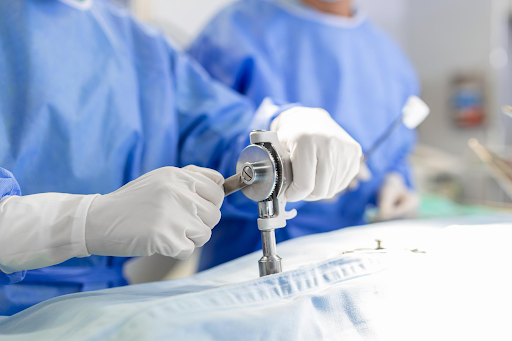
Upper endoscopy or gastroscopy is a common medical procedure that allows your doctor to examine your upper digestive tract. Although you might feel overwhelmed during any medical procedure, understanding the procedure of upper endoscopy will help you prepare yourself and feel less anxious.
Key Takeaway
- The upper endoscopy procedure is performed to diagnose and treat the patients who are dealing with conditions of the upper digestive tract.
- Since most patients are sedated, there is little to no chance of feeling any pain or discomfort.
- The preparation procedure of gastroscopy is simple, and the complications are rarely seen.
In this comprehensive guide, we will walk you through every aspect of the experience. We will explore what an upper endoscopy is, how to prepare, and what happens during the test and potential gastroscopy side effects.
What is an Upper Endoscopy?
An upper endoscopy is used to examine your small intestine’s first part, including the stomach, duodenum, and the lining of the oesophagus.
The doctors perform this procedure using a thin, flexible tube that is called an endoscope. This tube has a light and camera attached to it so that it can show you the condition of your stomach and duodenum on the screen. Since this device transmits images of high quality to a monitor, the doctors are able to detect any abnormalities with precision.
Why Doctors recommend Gastroscopy in Montreal
There can be various reasons due to which your doctor can suggest a gastroscopy to you. Generally, this procedure is used by physicians to investigate why you are dealing with persistent or unexplained symptoms that are affecting the upper digestive system.
- Chronic Heartburn or Acid Reflux
When patients are experiencing chronic heartburn or acid reflux, your healthcare provider can ask you to for the test. They want to check if there is any damage to the oesophagus or if you are suffering from gastro-oesophageal reflux disease.
- Difficulty Swallowing Food
Some people have difficulty swallowing food, and it may show that there is obstruction or inflammation inside your small intestine’s first part.
- Nausea, Vomiting, or Abdominal Pain
When you are dealing with persistent nausea, vomiting, or abdominal pain, there might be a need to go through upper endoscopy. If you notice unexplained weight loss or any signs of bleeding, like black stools or vomiting blood, then your healthcare provider needs to urgently check the reason using this method.
How To Prepare for a Gastroscopy
You need proper preparation to make sure that you get accurate results from the gastroscopy. Most patients receive detailed guidance by their doctors before the procedure.
- Fasting
Fasting is the most important step to prepare your body for the test. Most doctors will suggest their patients avoid eating and drinking anything for at least 6 hours before the start of the upper endoscopy procedure. When your stomach is empty, the physicians can clearly view your digestive tract, and there is less chance of aspiration during sedation.
- Medicine Management
There are some medicines that work as blood thinners. You need to stop consuming these medicines in any form to reduce the chances of bleeding during the biopsies or other interventions. Additionally, you must inform your doctor about all the medicines and supplements that you are currently taking, including over-the-counter products.
- Bring a Family Member
Some patients are advised by doctors to ensure they have brought a friend or family member with them who can accompany them and make sure they will return home safely. Since the doctors will use sedation, you can feel drowsy or impaired for a lot of hours after the test. Hence, you should ensure someone is there to carry you back home in a car.
The Procedure of Upper Endoscopy
You must understand the procedure of upper endoscopy to ensure you don’t feel anxious during the test.
- Preparation Stage
When you arrive at the clinic or hospital, the nurse will prepare you for the procedure. She will check your medical history and any vital signs. Then, she will insert an intravenous line to add sedatives and other medications.
- Numbing the Area
The physicians will take you to the procedure room, and then you have to lie on your side. A nurse will place a mouthguard to protect your teeth as well as the endoscope from getting damaged. She might spray a local anaesthetic to numb your area before inserting the endoscope.
- Getting Sedation
At this stage, the physician will administer sedation through the IV. You might get conscious sedation so that you can relax and remain comfortable throughout the procedure of upper endoscopy.
- Inserting The Endoscope
Once you are properly sedated, your doctor will slowly add the endoscope through your mouth. They will move the device down your oesophagus into the duodenum and the stomach.
- Examination of Your Lining of Your Digestive Tract
Now the actual procedure starts. In this stage, the doctor will check the lining of your digestive tract. They will take biopsies or even perform some treatment when required. Generally, the entire process will take just 15-30 minutes.
Gastroscopy Side Effects and Risks
Just like any medical procedure, there are some risks with upper endoscopy. However, there are generally no serious complications and side effects of this procedure.
- Common Side Effects
Some common gastroscopy side effects are a little bloating, fatigue, and sore throat that are resolved within a day.
- Serious and Uncommon Side Effects
Some serious side effects of upper endoscopy are bleeding and infection. Although these are uncommon complications, there is little possibility of experiencing them. This risk can slightly increase when biopsies or polyp removal procedures are performed.
Are You Going to be Sedated for an Upper Endoscopy?
Doctors need to provide sedation so that patients will be comfortable and stress-free during the procedure. Most patients receive conscious sedation, which makes them feel relaxed and reach a sleepy state. Although you don’t become fully unconscious, you won’t feel discomfort or remember the procedure afterwards.
How Painful Is a Gastroscopy?
For most patients, the major concern is, how painful is a gastroscopy? The reassuring answer is you won’t feel pain.
Since the doctors are using sedation and throat numbing products, their patients have experienced little to no pain or discomfort during the procedure of upper endoscopy. You might feel little pressure or a sense of fullness in your stomach as the doctor moves the scope through your digestive tract.
There is a chance of a gagging sensation. However, when doctors use sedation and numbing spray, the chances of feeling this sensation are minimized.
After the gastroscopy is one, you might deal with a mild sore throat or slight bloating. This usually happens because air was introduced during the procedure. However, these symptoms are temporary, and they will be resolved within a day.
For a painless gastroscopy, then you should book an appointment with ScopeMD in Montreal. They are known for providing the best treatment and a comfortable environment for their patients.
In Summation…
Upper endoscopy is an important procedure that allows doctors to check the condition of your stomach, oesophagus, and duodenum. Whether you are dealing with chronic digestive symptoms or want to get a routine check, this test can provide your doctor detailed insights for effective treatment.
When you are aware of the procedure of upper endoscopy, sedation, and potential results or temporary side effects, you can go for the test with confidence and peace of mind.
Frequently Asked Questions (FAQ)
1. Can I drink water before going for the upper endoscopy procedure?
You can take small sips, if extremely necessary, before leaving the home for the procedure. However, most doctors will generally suggest fasting for best results.
2. Will I lose my ability to speak or voice after the procedure?
Although you can notice temporary hoarseness, usually, it gets resolved quickly.
3. Is the procedure safe even if I am pregnant?
Although expert physicians can perform gastroscopy, if necessary, there are certain risks that you must carefully evaluate.
4. Can I take my regular medicines afterwards?
You can resume most medicines after the upper endoscopy. However, you must take the advice from your doctor because they examined the condition during the test.
5. How long will I see the effect of sedation?
You can notice the effects of sedation for several hours after the test. Hence, most doctors recommend the patients take rest.
Book an Upper Endoscopy with Scope MD for a Painless Procedure
Are you dealing with persistent digestive issues? If yes, then you should not delay the treatment process. You should first get medical advice. When the doctors are able to diagnose early, you can see better and quicker recovery.
If you are looking for the best solution and upper endoscopy services, then you should book a consultation with the experienced specialists at ScopeMD who prioritize your health and comfort.