

Colonoscopy for Colon Cancer Screening: What Patients Need to Know Before Booking
Last update : 24 Jun 2026
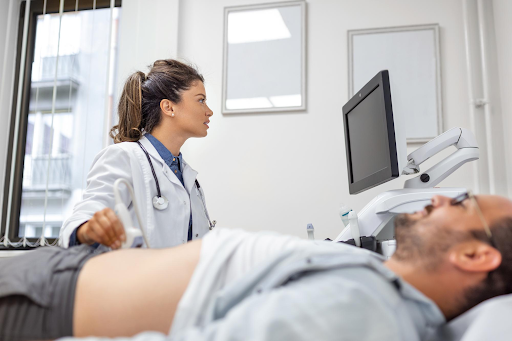
A private colonoscopy in Montreal is an effective colon cancer screening test that detects and removes precancerous polyps. From the ideal screening time to symptoms, you need to be aware of different aspects before booking.
Key Takeaways
- Colonoscopy is an effective procedure to screen for colon cancer.
- This test removes polyps before they develop into cancer.
- The overall duration of the test is around 30 to 60 minutes.
- Avoid a high-fiber diet 3 to 5 days before the procedure.
As per the 2025 statistics from the Canadian Cancer Society, 26,400 Canadians were diagnosed with colon cancer in the stated year. With this high prevalence, the need for an effective screening test is a must.
The goal is to detect and remove precancerous polyps before they turn into cancer. Here, colonoscopy is an ideal option.
In this blog, we will talk about what patients should know before booking a colonoscopy.
Why Do You Need Colonoscopy?
A colonoscopy is the gold standard for colon cancer screening. Here are the reasons.
Preventative Action: Not only detection, but colonoscopy can also be a preventative action for cancer. What makes this test unique is that it removes polyps during the procedure itself. This prevents cancer before it begins.
High Efficacy: Colonoscopy has a high level of accuracy in screening colorectal cancer because it offers a top-quality visual inspection of the overall colon and rectum. With a superior sensitivity for advanced adenomas, this screening test acts as both a therapeutic and a diagnostic tool.
Early Intervention: This test is known for preventing cancer before its development. This leads to better chances of recovery.
Before you go for colonoscopy, here’s what you should know:
| Aspect | What to know |
| Process | Insertion of a long, flexible tube with a camera into the rectum for colon examination |
| Purpose | Detection and removal of polyps and identification of abnormalities |
| Success rate | High |
| Preparation | Needs bowel preparation |
| Sedation | Sedation is done to ensure patient comfort |
| Duration | 30 to 60 minutes |
| Recovery span | Minimal |
Table: Things to Know About Colonoscopy
Once you understand the fundamental aspects of the screening test, you can prepare yourself better for the procedure.
Note: To be clear, while a colonoscopy is primarily a screening tool to prevent cancer by removing polyps, it is also the definitive diagnostic procedure for identifying colorectal cancer.
What are the Main Considerations Before Booking?
Here are the key considerations before you enroll for a colonoscopy in a private clinic like Scope MD.
Screening Time
The Canadian Task Force on Preventive Health Care (CTFPHC) suggests screening for average-risk individuals at the age of 50. However, the screening age has been lowered to 45 in the US.
Opting for this cancer screening procedure at 50 contributes to catching precancerous polyps early. Do you have a family history of colon cancer or polyps? If yes, you can consider the screening once you reach the age of 40.
High Risk
Apart from having a family history of colorectal cancer, you need to consider this test procedure because of other factors, like inflammatory bowel disease or genetic syndromes. If you deal with any of these, it’s better to go for a colonoscopy.
Have you found polyps in a previous colonoscopy? If yes, a follow-up is required for monitoring new growths.
Key Warning Signs
Some warning signs indicate a need for a colonoscopy. These include:
Rectal Bleeding: Often, people experience consistent blood in the stool or bright red blood from the rectum. These can be the signs of polyp development. Go for a colonoscopy here.
Chronic Abdominal Pain: Are you experiencing consistent abdominal pain or cramping? If yes, consider this test.
Change in Bowel Habits: Colonoscopy screening must be done if you witness a change in bowel habits. Like, persistent diarrhea or constipation. Even if you deal with a narrowing of stool for some days, you need to seek this test.
Sudden Weight Loss: You have not hit the gym or been involved in daily exercises, but you have lost some kilos. This is not normal but is a warning sign of colon cancer.
Unexplained Iron Deficiency Anemia: Chronic blood loss in the digestive tract results in a lowering of the iron level. This results in shortness of breath, weakness, or fatigue. A colonoscopy is recommended here.
Insurance and Cost
Provincial health insurance covers the entire cost of a screening colonoscopy if it is medically needed. This is mainly for the high-risk patients and people with a positive stool test.
In Montreal, several private insurance plans (like Sun Life, Manulife, Blue Cross, etc.) cover a portion of the costs associated with private clinics. In such cases, the procedure must be recommended by a healthcare professional. Well, you must check how much you have to pay from your pocket.
Waiting Time
The waiting time for a colonoscopy booking in a public clinic in Montreal may exceed six months, which might not be suitable for some patients. This makes private clinics a priority, as we confirm bookings within a few days to weeks. A basic doctor’s recommendation is enough. Let’s know the factors that influence the waiting time.
- Healthcare capacity
- Healthcare policies and screening programs
- Population demographics and demand
- Funding and resource allocation
How to Prepare for a Colonoscopy
The way you prepare for the screening test matters. Let’s know the preparation fundamentals.
3 to 5 Days Before
You have to go through a diet change ahead of your screening test. Stop eating high-fiber foods like:
- Nuts
- Seeds
- Whole-grain rice
- Whole-grain bread
- Granola
Fiber-rich foods are hard to digest. This can make the bowel preparation before your colonoscopy difficult. Include low-fiber foods in your diet, such as:
- Milk
- White bread
- White rice
- Cheese
- Chicken
The Day Before the Test
You need to shift to a full-liquid diet from morning. Avoid drinking any red or purple drinks. Drink at least eight glasses of water. The suggested liquids are:
- Water
- Apple juice
- Ginger ale
- Clear soup broth
- Tea or coffee (Avoid milk)
The evening before the test is the time when you take the bowel preparation solution. Some of the common solutions are Peglyte, Pico-Salax, or Bi-Peglyte, etc. The laxative solution empties the colon, thereby ensuring a clear view during the procedure.
The Morning of the Test Day
The doctors of Scope MD recommend nothing to eat or drink on the day of your booking. Follow what the experts instruct.
The Ultimate Test Day: What to Know?
Along with understanding the test procedure, you need to prepare for the day. Here are some tips.
- Wear comfortable clothes to your appointment
- Avoid wearing a watch or jewelry, as clinicians will ask you to remove them
- Be aware of the sedative or anesthesia that the clinic uses during the test
What to Keep in Mind After the Procedure?
Here are the aspects that you need to consider after the colonoscopy.
Sedation Recovery: After the procedure, you will have to stay in the clinic for half an hour or an hour. Avoid performing any strenuous activity or driving for at least 24 hours.
Side Effects: The immediate side effects are bloating or cramping. Consider walking, moving around, and drinking warm liquids to pass gas. You might witness small blood streaks in your stool if polyps were removed or biopsies taken.
Results: You will be provided with the test results before you leave the clinic. Discuss it with your doctor.
Post-Procedural Diet: You can start eating food after a couple of hours post-colonoscopy. Start with light foods like toast, soups, scrambled eggs, etc. Don’t keep high-fiber foods in your diet for 24 to 48 hours. Drink plenty of water.
Seeking Clinical Help: You need to contact a doctor if you witness severe abdominal pain, high fever, persistent rectal bleeding, etc.
Planning a Colorectal Cancer Screening? Go for a Colonoscopy
We are a reputed colonoscopy center in Canada. Visit our clinic and interact with our experts. Fix an appointment and get the screening test done conveniently.
Frequently Asked Questions (FAQs)
1. What is the Difference Between a Screening Colonoscopy and a Diagnostic Colonoscopy?
The fundamental difference between a screening colonoscopy and a diagnostic colonoscopy is the presence of symptoms and the reason for the test. A screening colonoscopy is suitable for patients with no symptoms. Meanwhile, a diagnostic colonoscopy is recommended when the goal is to investigate specific gastrointestinal issues.
2. I want to get a Colonoscopy done once I become 50 Years Old. How Often should the Test be Performed?
A colonoscopy is recommended every ten years if no polyps are found. If 1 or 2 polyps are found, perform this test every 5 to 10 years. The test must be performed every 3 years if 3 to 10 polyps are found. An annual follow-up is recommended if the test result shows more than 10 polyps.
3. Do I Need to Drink the Entire Bowel Prep Solution?
Yes, you need to drink the entire solution. This is because the colon must be cleaned properly so that the lining can be seen clearly. If the colon is not cleaned properly, finding polyps can be difficult.
4. What Medicines do I Need to Stop Before this Colon Cancer Screening Test?
You need to stop taking oral iron tablets, vitamin tablets, and herbal supplements a week before the procedure. If you are on warfarin, interact with an Anti-coagulation clinic to understand when to stop this one.
5. I Am On My Period. Can I Go for a Colonoscopy?
Yes, a colonoscopy can be done if you are on your period. Menstruation does not interfere with the safety and accuracy of the procedure. It’s better to use a pad or wear a tampon, but that might have to be removed before the test. Don’t forget to tell your doctor that you are on your period.