

7 Things Your Colonoscopy Can Reveal About Your Health
Last update : 07 Sep 2026
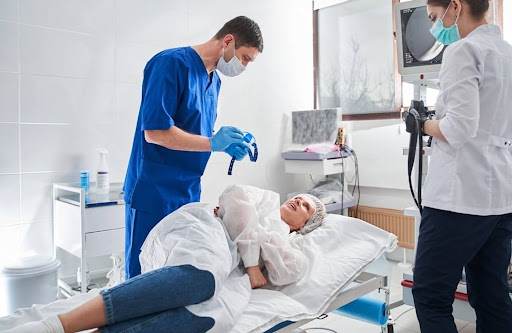
Digestive issues and hidden bleeding often trigger anxiety, while long public wait times delay answers. A quick colonoscopy resolves this uncertainty by identifying polyps, inflammation, or structural issues early, providing fast access to clarity and targeted, effective treatment.
Key Takeaways
- Diagnostic Scope: Beyond cancer screening, a colonoscopy pinpoints hidden inflammation, bleeding sources, structural abnormalities, and microscopic infections
- Screening Guidelines: Canadian provinces are progressively shifting recommended baseline screening ages down from 50 to 45 years old
- Preparation Impact: A complete bowel prep ensures optimal visualization, allowing physicians to detect and clear early abnormalities safely
Most people think of a colonoscopy as “just” a cancer screening. But it can actually be considered a full diagnostic window into digestive health. With the appropriate methods and instruments, your physician can reveal a lot of things about your health.
This blog will list 7 such things that colonoscopy test results can reveal regarding your overall digestive health just from examining your colon’s lining.
Why One Procedure Can Answer Multiple Health Questions
The mucosal lining of the colon acts as a direct area that reveals most of the systemic and localized digestive condition clues. During a single colonoscopy test, specialized endoscopes allow clinicians to spot inflammation, identify occult bleeding sources, and remove early structural growths in real time.
| Condition/Concern | Detected by Colonoscopy? | How |
| Colorectal cancer & polyps | Yes | Direct visualization + biopsy/removal |
| Crohn’s disease & ulcerative colitis | Yes | Visual inflammation signs + biopsy confirmation |
| Diverticulosis/diverticulitis | Yes (active flares assessed after settling) | Direct visualization of colon wall pouches |
| Source of rectal bleeding or anemia | Yes | Full-colon visual survey identifies bleeding site |
| Hemorrhoids | Yes | Direct visualization |
| Bowel obstruction/strictures | Yes | Scope passage and visual narrowing assessment |
| Infections (e.g., C. difficile), microscopic/ischemic colitis | Yes | Biopsy analysis, incl. tissue that looks normal to the eye |
| Irritable bowel syndrome (IBS) | No | IBS is functional, not structural; no visible marker |
| Small intestine conditions beyond the terminal ileum | No | Outside the colonoscope’s reach; needs separate imaging |
| Liver, pancreas, or other organ disease | No | Requires bloodwork or dedicated abdominal imaging |
Table 1: What a Colonoscopy Can (and Can’t) Detect
1. Colorectal Cancer and Precancerous Polyps
Most people get a preventive colonoscopy done to diagnose colorectal cancer early, before symptoms escalate. This is because colon cancer is largely preventable when polyps are found and removed before turning malignant.
| Body/Province | Recommended Starting Age | Status as of 2026 |
| Canadian Task Force on Preventive Health Care (national) | 50 (current) | 2016 guideline; task force activity resuming April 2026 for review |
| Canadian Cancer Society (national advocacy) | 45 | Actively calling on all provinces/territories to lower the age |
| Ontario – ColonCancerCheck | 45 | Confirmed change effective July 1, 2026 |
| Prince Edward Island | 45 | Implemented |
| Nunavut | 45 (planned) | Confirmed intent, pending screening infrastructure |
| British Columbia | 50 (under review) | BC Cancer conducting modelling to evaluate lowering the age |
| Most other provinces (default, average risk) | 50 | Earlier screening advised with family history or genetic risk factors |
Table 2: Colorectal Cancer Screening Age in Canada
Colorectal cancer is Canada’s 4th most diagnosed cancer and 2nd leading cause of cancer death. This is why screening at the right time is essential to treat it.
FACT: Colorectal cancer risk among Canadians under 50 is now 2 to 2.5 times higher than in previous generations at the same age, a key reason provinces are lowering the recommended screening age toward 45.
2. Inflammatory Bowel Disease (Crohn’s and Ulcerative Colitis)
A colonoscopy plays a vital role in evaluating Inflammatory Bowel Disease (IBD). Even when active inflammation appears subtle to the naked eye, tissue biopsies taken during the examination confirm diagnoses like Crohn’s disease or ulcerative colitis at a microscopic level. Periodic monitoring helps clinicians track healing, gauge treatment response, and actively protect long-term gastrointestinal health.
3. Diverticulosis and Diverticulitis
Small pouches (diverticula) often form in the colon wall with age and are usually discovered incidentally. While active diverticulitis flares are evaluated after inflammation settles, asking how long does colonoscopy take offers reassurance, identifying these pouches takes no extra time.
CAUTION: Incomplete bowel prep is one of the most common reasons small polyps get missed. Following the prep instructions exactly, not just “close enough”, directly affects how much your colonoscopy can actually reveal.
4. The Source of Unexplained Bleeding or Anemia
Many people evaluated after routine bloodwork reveal unexplained low iron or hemoglobin levels. Long before noticing visible symptoms like slow, microscopic blood loss from small polyps, vascular malformations, or localized inflammation.
Scheduling a preventive colonoscopy allows physicians to trace these silent bleeding sources early to resolve the root cause of anemia before it complicates your health.
Patient Scenario
A 52-year-old with a parent diagnosed with colon cancer had been waiting months in the public system. After a private preventive colonoscopy, two small precancerous polyps were found and removed before they had any chance to progress.
5. Hemorrhoids and Other Rectal Conditions
Noticing bright red blood after a bowel movement is understandably alarming. However, it is usually caused by benign issues like internal hemorrhoids or anal fissures.
Contrastingly, as symptoms of minor rectal conditions can overlap with more serious lower-GI issues, doctors rely on a colonoscopy test. It helps them to thoroughly examine the area and confirm the exact source instead of assuming.
Patient Scenario
A patient with persistent, unexplained iron-deficiency anemia had tried supplements for a year with no improvement. A colonoscopy identified a slow-bleeding polyp as the source; removing it resolved the anemia at its root cause.
6. Bowel Obstructions, Strictures, and Structural Abnormalities
Narrowing or blockages caused by scar tissue, chronic inflammation, or abnormal masses can disrupt normal function, driving persistent bloating and altered bowel habits. Visualizing these structural issues helps restore your gastrointestinal health by guiding precise, targeted treatments.
7. A Broader Baseline of Your Gastrointestinal Health
Infections like C. difficile, ischemic colitis, or microscopic colitis, detectable only through biopsy, can surface even without active complaints. Knowing how long does colonoscopy take helps frame this value: in just 20 to 40 minutes, you gain an exhaustive GI baseline.
| Stage | Typical Duration |
| Bowel prep (evening/morning before) | Several hours; the most time-intensive part of the process |
| Check-in & pre-procedure prep at clinic | 30–45 minutes |
| Sedation onset | A few minutes |
| The colonoscopy exam itself | 20–40 minutes (average ~30) |
| Recovery & monitoring post-sedation | 30–60 minutes |
| Total time at the clinic | 2–3 hours |
| Return to normal activity | Next day, due to sedation |
Table 3: Colonoscopy Timeline: What to Expect
Conclusion
A single endoscope offers an unparalleled, all-in-one view of your lower digestive tract. From detecting early cancer risks and pinpointing hidden inflammation to locating minor bleeding sources and identifying structural changes, it can deliver definitive answers across all dimensions of your digestive health.
Get Reliable Colonoscopy Tests Done at Scope MD to Determine Digestive Health
If you are experiencing symptoms or due for a routine screening, visit Scope MD. We provide rapid access to specialized care without the prolonged wait. Reach out to schedule your appointment today!
Frequently Asked Questions (FAQs)
1. Is A Colonoscopy Painful To Undergo?
No, sedation keeps you comfortable and relaxed throughout the procedure, including the advanced instruments most clinics now use (for example, thinner and flexible scopes) ensuring you feel little to no physical pain.
2. What Can I Eat Right After Completing A Colonoscopy?
You can usually resume your normal diet immediately, starting with light, non-greasy meals like clear broth, crackers, scrambled eggs, or toast, to ease digestion post-sedation.
3. How Often Do I Need A Routine Colonoscopy?
If your results are clear and you are average risk, a routine follow-up screening is generally recommended every ten years.
4. What Happens If A Polyp Is Discovered During My Scan?
The doctor will immediately remove it painlessly through the scope and send it for routine lab analysis.
5. Are There Alternative Colon Screening Methods Available?
Yes, options like stool tests (FIT/FOBT) exist, but positive results still require a follow-up colonoscopy for clear diagnosis.